
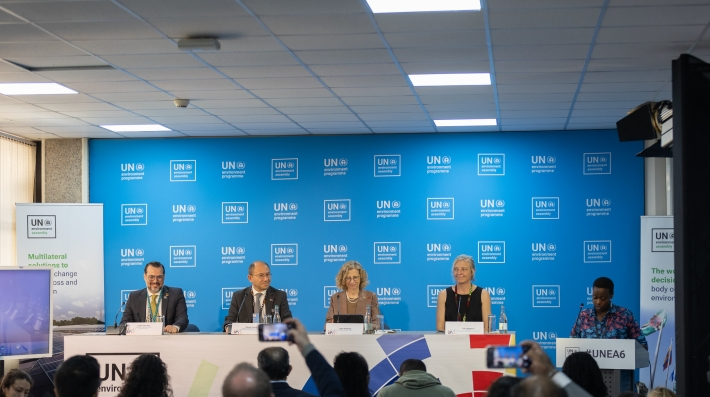
The United Nations Environment Programme (UNEP) has launched the Global Waste Management Outlook 2024, offering critical insights into the growing waste crisis and proposing comprehensive strategies for sustainable management. Here’s a breakdown of the report’s key points, tailored for LinkedIn readers.
Urgent Waste Crisis
Rising Waste Generation: Global municipal solid waste (MSW) is expected to rise from 2.1 billion tonnes in 2023 to 3.8 billion tonnes by 2050. This dramatic increase calls for urgent action in waste management practices.
Economic Impact: In 2020, the direct cost of waste management was USD 252 billion. Including hidden costs like pollution and health impacts, the total cost reaches USD 361 billion. Without intervention, these costs could nearly double to USD 640.3 billion by 2050.
Cost-Benefit Analysis: Implementing comprehensive waste management measures can limit net annual costs to USD 270.2 billion by 2050. A shift to a circular economy could generate an annual net gain of USD 108.5 billion.
Key Recommendations
- Embrace Circular Economy: Prioritize waste avoidance and sustainable business practices to turn waste into valuable resources.
- Implement Waste Hierarchies: Follow the waste hierarchy—prevention, reuse, recycling, energy recovery, and disposal as a last resort.
- Support Informal Workers: Facilitate a just transition for informal workers in the waste sector.
- Address Disparities: Tackle gender and socio-economic disparities in waste management.
Future Scenarios
- Business-as-Usual: Continuing current practices, leading to increased costs and environmental damage.
- Halfway Measures: Partial improvements, offering limited benefits.
- Zero Waste and Circular Economy: Full commitment to zero waste practices and a circular economy, providing maximum economic and environmental benefits.
Conclusion
The Global Waste Management Outlook 2024 is a critical call to action for all stakeholders to adopt sustainable waste management practices. By transitioning to a circular economy and implementing effective strategies, we can mitigate the negative impacts of waste, ensuring a sustainable and prosperous future.
For more in-depth information, you can access the full report here.